
 Deployed
Hot's Pizza Payphone
A Raspberry Pi-powered payphone that turns its original keypad into a physical interface for a library of mapped audio.
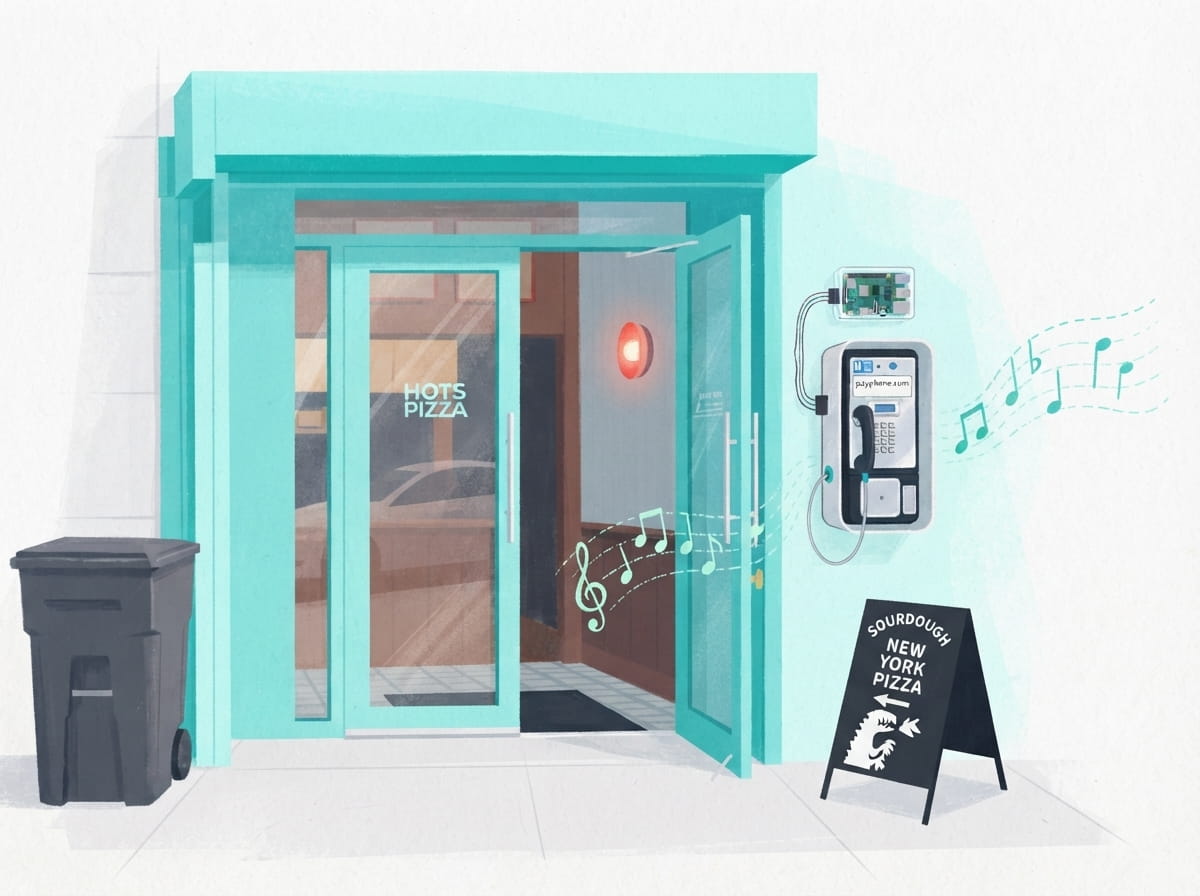
The Raspberry Pi-powered payphone mounted outside Hot's Pizza in Chinatown.
The object is the interface
Pick up the handset, dial a sequence, and press #. The matching audio starts
immediately. That is the whole public interface. Everything hidden in the
cabinet exists to make those three steps feel boringly dependable: read the
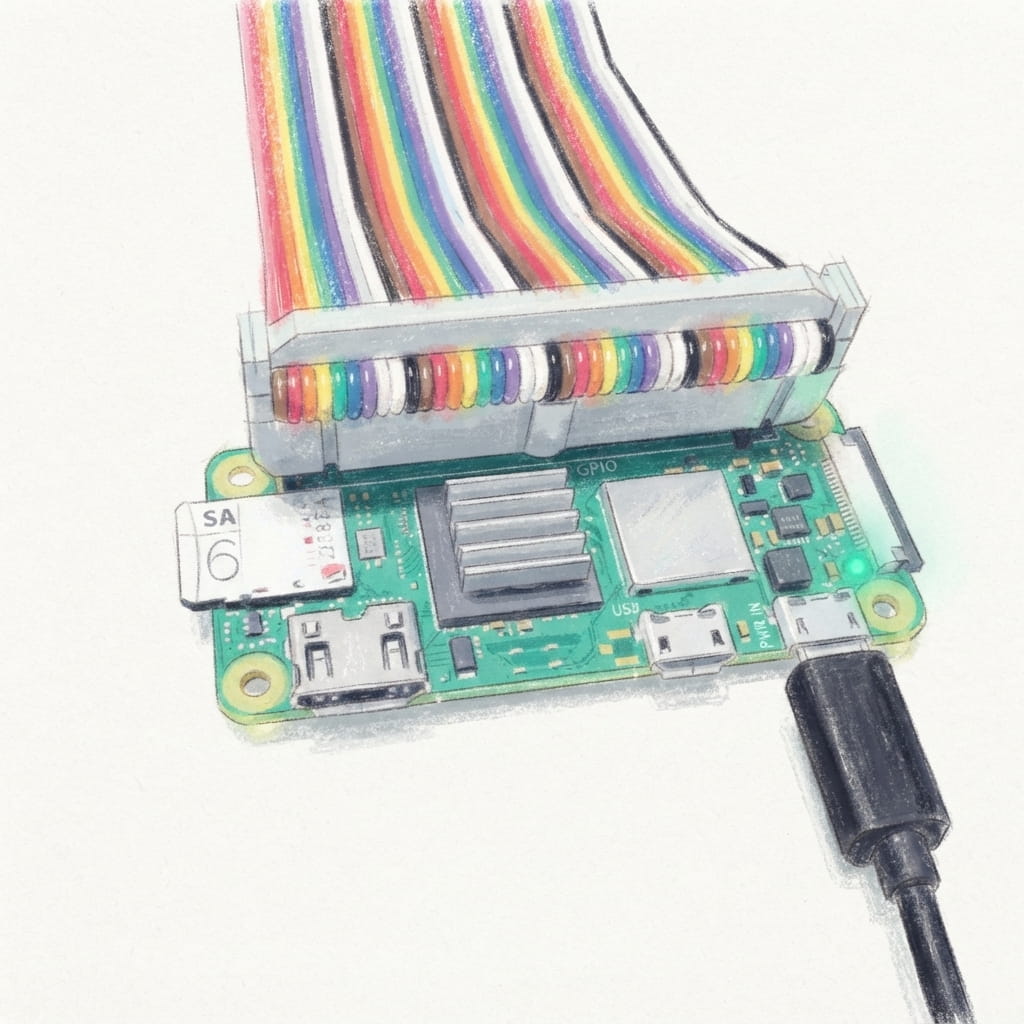
GPIO keypad matrix, play DTMF tones as feedback, keep playback responsive, and
duck whatever is playing when someone starts dialing again.
Different key combos unlock different sounds, but there is no cheat sheet beside
the phone. Finding them is the fun part. I'll give away one easy combo: 911#.
The rest are up to you.
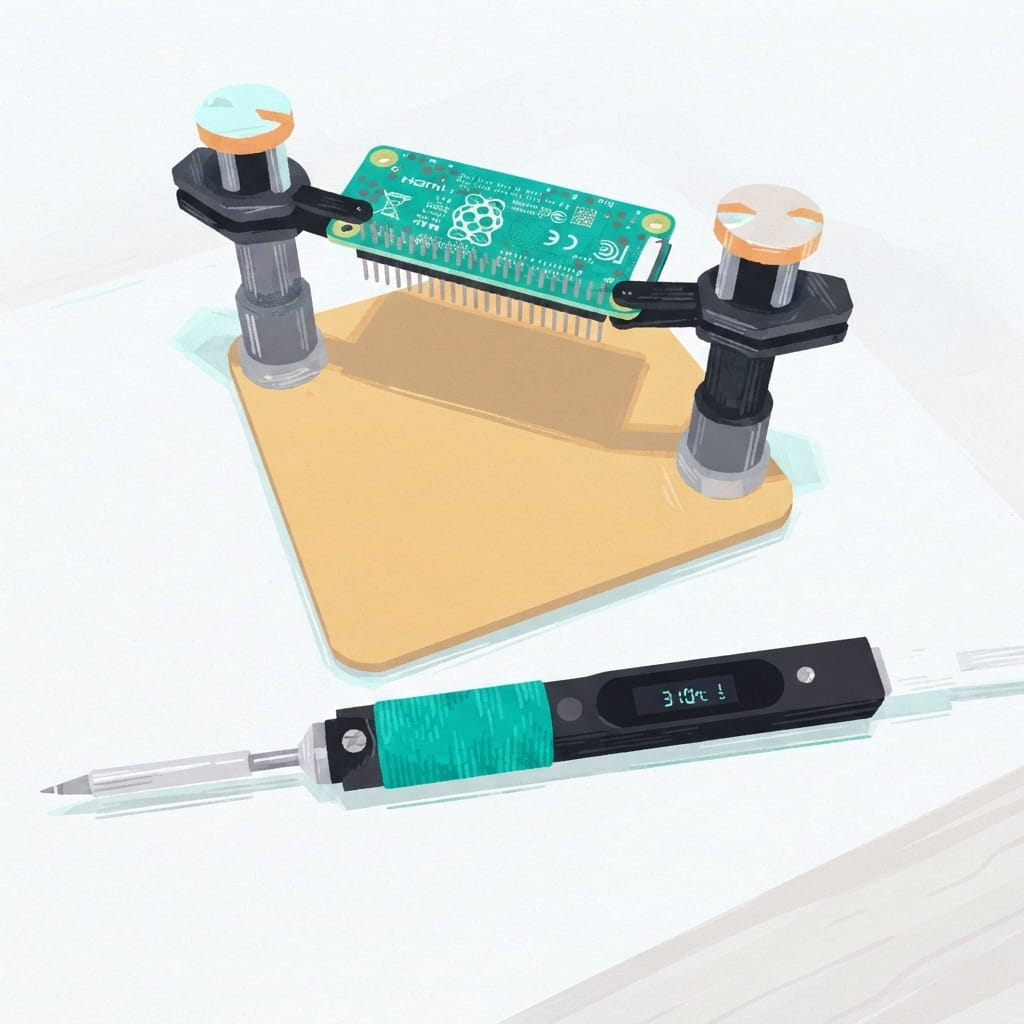
The finished installation runs on a Raspberry Pi Zero 2 W. It decodes the
sounds and keeps them ready in memory instead of opening them from storage
after every dial. Press # and the result plays without a pause.
The control panel is for leaving it alone
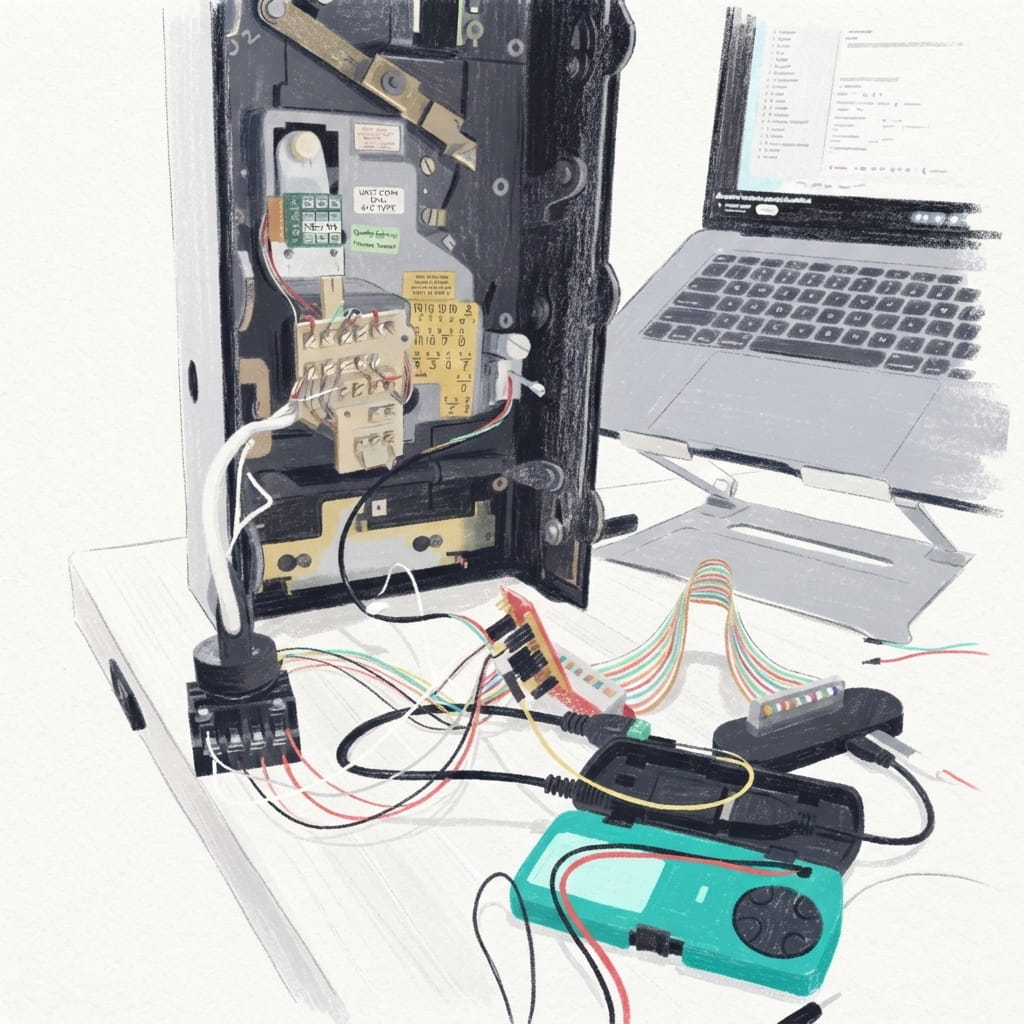
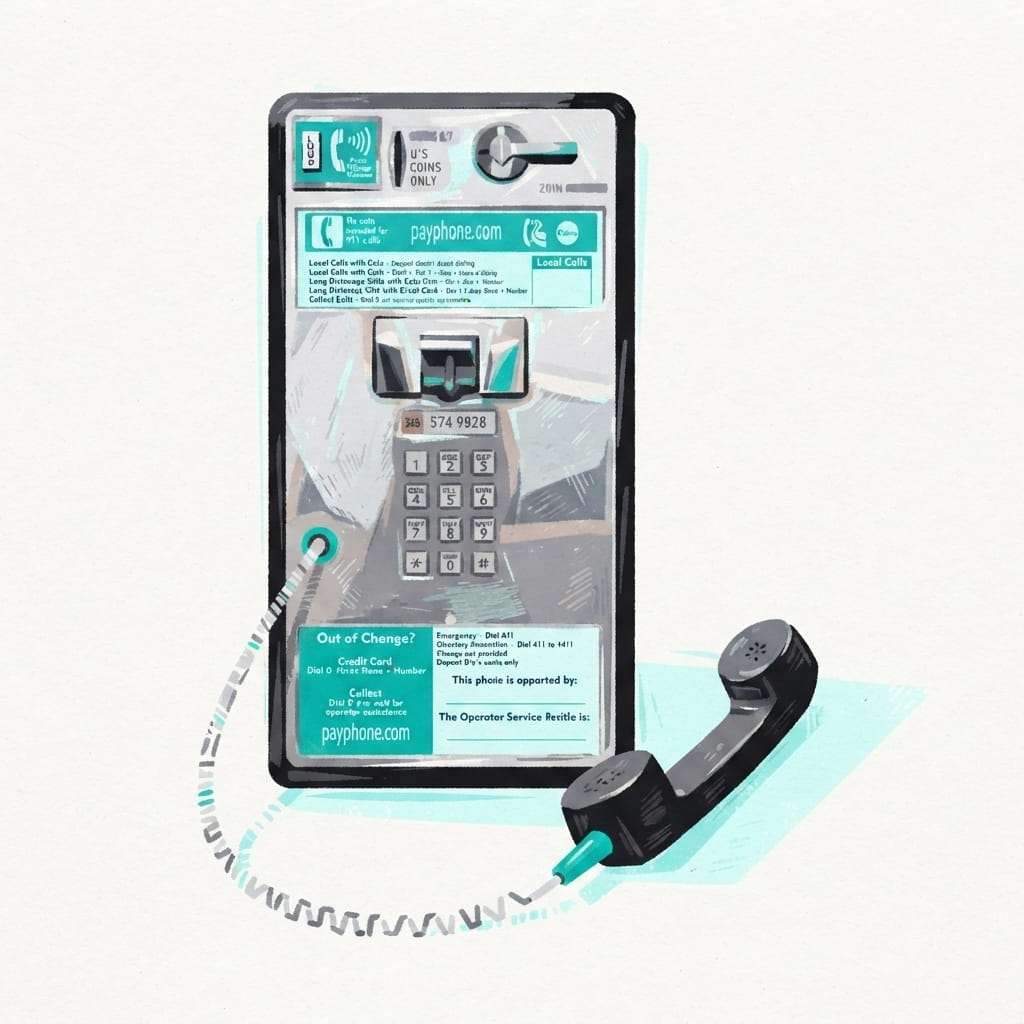
The browser control panel is where I change the collection. I can upload a file or record a sound, trim it, preview it, and assign it to a dial sequence.
The dashboard also shows us which combos people punch in most. If everyone keeps trying the same unmapped pattern, maybe we'll upload something for it ;)
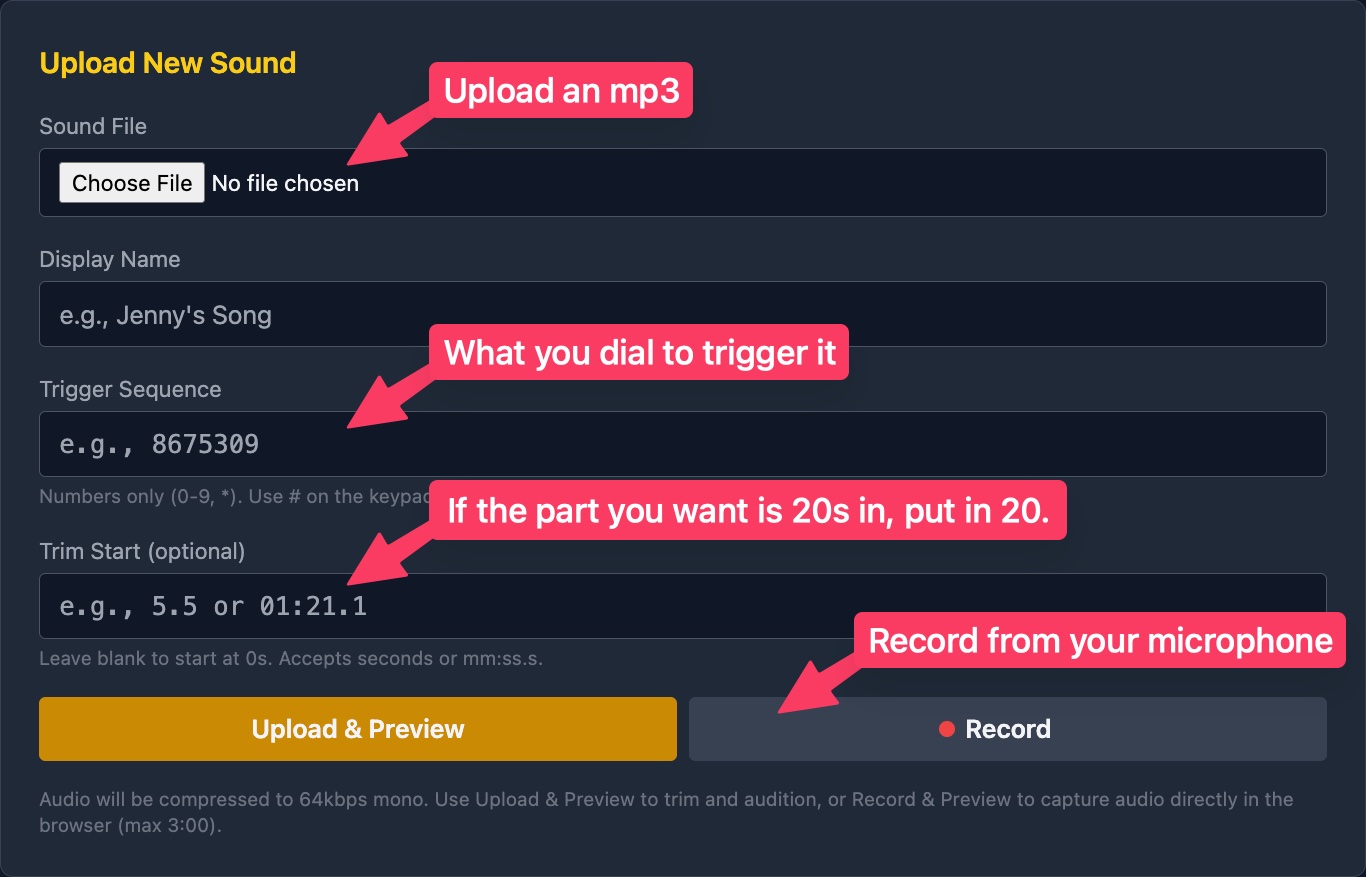
The control panel handles upload, recording, trimming, preview, and dial-code mapping from one screen.
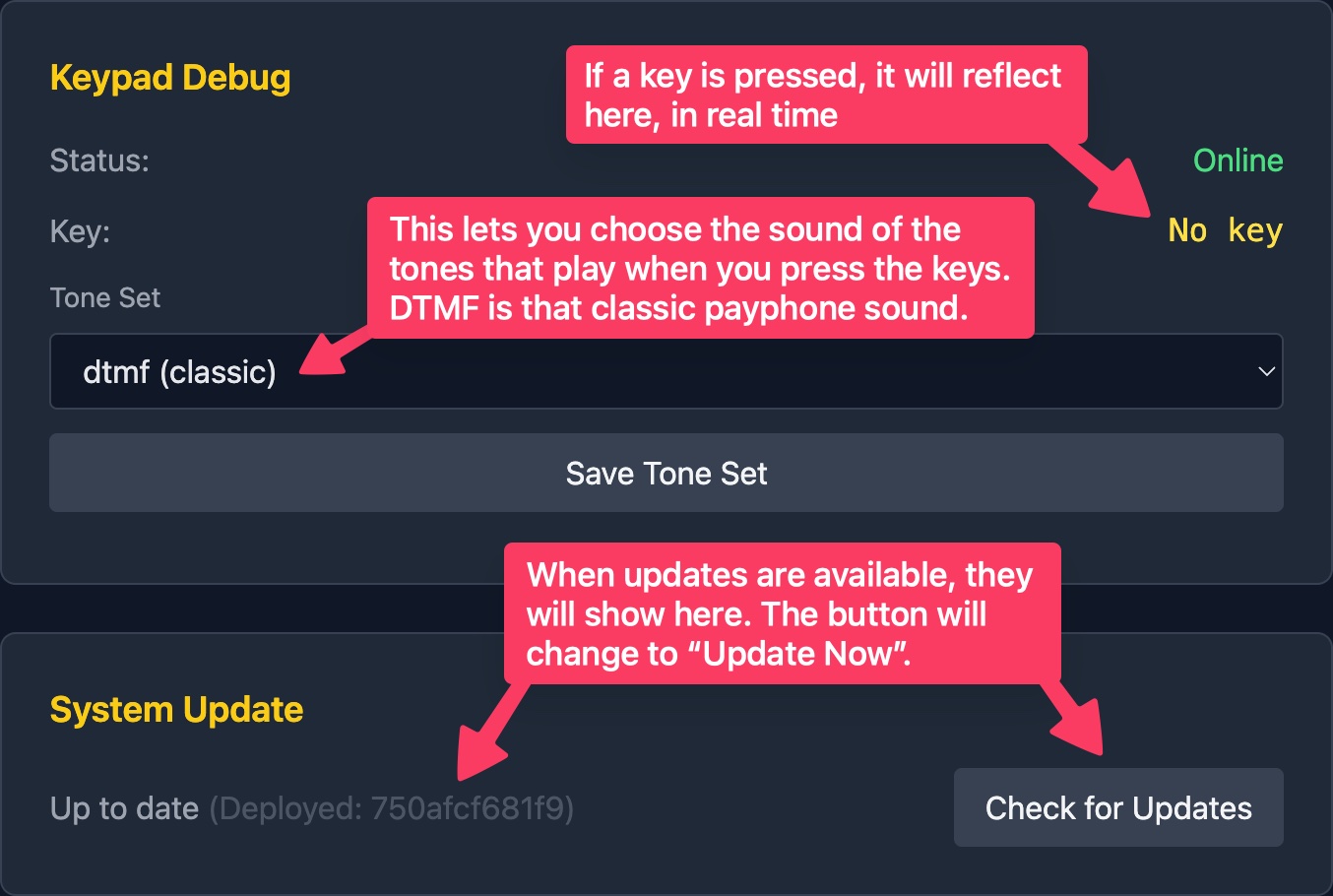
The system is up to date, with update status visible in the local control panel.
A payphone in a pizza shop has to recover without a keyboard or me standing beside it. The local maintenance path can fall back to a temporary Wi-Fi access point, restart a failed service, and apply a fast-forward update. After restart, a health check either accepts the tracked branch's current HEAD or rolls the deployed files back to the previous working copy.
Go try it
This is not a staged prototype. It is a working installation at Hot's Pizza in Chinatown. Hot's is at 181 E Broadway B, New York, NY 10002, right across the street from Little Canal (same owner!) and just a stumble away from 169 Bar.
Go grab a slice, pick up the handset, and start with 911#.